
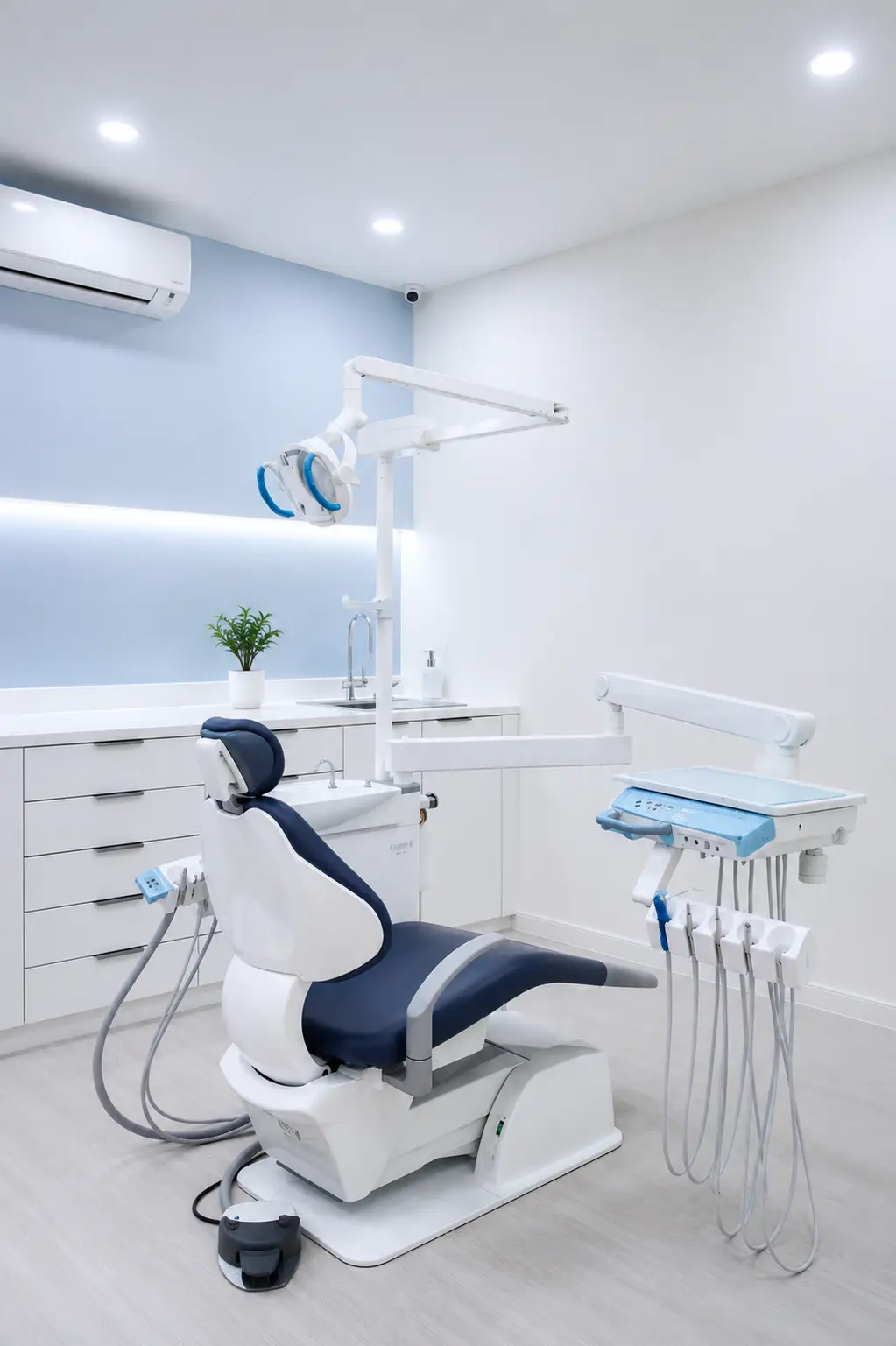
Clear aligners are nearly invisible, unlike traditional braces that give a metallic appearance.
Considering teeth straightening but unsure whether to choose clear aligners or traditional braces? Both options can improve tooth alignment and bite function, but they differ in visibility, daily routine, treatment planning and how much cooperation they require. At NAMS Dental Clinic in Kepong Medan Putra, we help patients understand their options before choosing a treatment plan.
Quick answer: Clear aligners are removable, discreet trays that can suit selected mild to complex orthodontic cases when worn consistently. Fixed braces use brackets and wires, remain attached to the teeth and may be more suitable for certain tooth movements or patients who prefer not to manage removable trays. The most appropriate option depends on your bite, tooth alignment, oral health and the clinical assessment—not appearance alone.
What Are Clear Aligners and Traditional Braces?
Clear aligners (sometimes called invisible braces)
Clear aligners are a planned sequence of transparent, removable trays designed to guide teeth through gradual movements. They are typically worn for approximately 20–22 hours a day or as prescribed by your treating dentist. You remove the trays to eat and to brush and floss. Some plans also require tooth-coloured attachments, interproximal reduction or elastics. NAMS Dental offers assessment for clear aligner options including Angel Aligner and Invisalign, where clinically appropriate.
Traditional braces
Traditional fixed braces use brackets bonded to teeth and an archwire to apply controlled forces. Options may include conventional metal braces and self-ligating braces. Because they stay in place, patients do not have to remember to wear trays, but cleaning around brackets and wires takes additional care. Both aligners and braces can require refinements, follow-up visits and retainers after active treatment.
Clear Aligners vs Braces: Side-by-Side Comparison
| Consideration | Clear Aligners | Fixed Braces |
|---|---|---|
| Appearance | Mostly transparent; attachments may be visible | Brackets and wires are visible |
| Removal | Removable for meals and oral hygiene | Stay attached until treatment is completed |
| Daily Compliance | Wear-time is essential | No tray wear-time requirement |
| Cleaning | Brush/floss normally after removing trays; clean trays separately | Extra attention around brackets and wires |
| Eating | Remove trays for eating; avoid drinks that stain or damage trays | Avoid foods likely to damage brackets and wires |
| Comfort | Pressure, temporary speech changes and tray-edge irritation can occur | Pressure and cheek/lip irritation can occur |
| Suitability | Case-dependent; not automatically best for every bite | Case-dependent; useful for many orthodontic movements |
| Price | Varies by case complexity and package inclusions | Varies by appliance and case complexity |
Which Works Better for Crowded Teeth, Gaps or Bite Problems?
Neither system is universally better. Mild crowding and spacing may be suitable for either approach. More involved bite corrections, tooth rotations or complex tooth movement require careful assessment; a fixed appliance or a combined approach may sometimes be recommended. A dentist should review your teeth, gums, bite, relevant X-rays and digital records before advising on treatment.
Benefits and Limitations of Clear Aligners
Neither system is universally better. Mild crowding and spacing may be suitable for either approach. More involved bite corrections, tooth rotations or complex tooth movement require careful assessment; a fixed appliance or a combined approach may sometimes be recommended. A dentist should review your teeth, gums, bite, relevant X-rays and digital records before advising on treatment.
Benefits and Limitations of Traditional Braces
Fixed braces work continuously once fitted and may be appropriate for a wide range of orthodontic needs. They do not require you to remember removable trays. The trade-offs are visible hardware, dietary precautions, possible bracket breakage and more demanding plaque control. Some people experience temporary soreness or soft-tissue irritation after adjustments.
How Much Do Braces and Clear Aligners Cost in Kepong?
Orthodontic fees depend on the appliance, bite complexity, duration, records, reviews and what is included in the package. For NAMS Dental, the following are indicative published clinic package figures supplied for editorial drafting and MUST be confirmed against the current approved price list before publication: conventional braces RM5,800; self-ligating braces RM6,800; Angel Aligner / Invisalign clear aligner packages from RM11,000 after the stated package rebate (other package tiers may be higher). The final quotation and eligibility for promotions or instalments are confirmed only after consultation. Avoid publishing expired offers or suggesting that all patients qualify for the same fee. Ask for a written breakdown of the consultation, scan/X-rays, appliance, review visits, refinements, retainers, replacements and payment schedule. A cheaper headline amount is not necessarily a lower overall treatment cost.
How Long Does Orthodontic Treatment Take?
There is no single duration for everyone. Treatment time depends on initial alignment, bite complexity, planned movements, biology, missed appointments and—in the case of aligners—wear-time consistency. Your dentist will explain an estimated timeline after examining your case. Estimates may change as treatment progresses.
Looking After Your Teeth During Orthodontic Treatment
- Brush twice daily with fluoride toothpaste and clean carefully around the gumline.
- Floss or use appropriate interdental aids daily; braces may require floss threaders or interdental brushes.
- Remove clear aligners before meals; clean them as directed and store them in a protective case.
- Attend dental checks and professional cleaning as recommended, particularly if gums bleed or plaque accumulates.
- Contact the clinic if brackets break, trays stop fitting or you develop persistent pain, swelling or other concerning symptoms.
Do You Still Need Retainers After Braces or Aligners?
Yes. Retention is an essential part of orthodontic care after teeth have been moved. Your dentist may recommend removable retainers, fixed retainers or both. The wearing schedule and long-term retention plan are individualized. Without appropriate retention, teeth can shift over time. Clear aligners used during active treatment are not the same thing as a finished-treatment retainer.
Choosing a Dental Clinic in Kepong for Orthodontic Consultation
When comparing providers, ask who will diagnose and supervise your treatment, what records are needed, how progress is monitored, what fees include and how retainers and unexpected changes are handled. At NAMS Dental Clinic in Kepong Medan Putra, our team can assess suitability for conventional braces, self-ligating braces and clear aligners, including Angel Aligner and Invisalign options, as relevant to the patient’s case. Ready to explore your options? Book an orthodontic consultation with NAMS Dental Clinic, Kepong Medan Putra. Our team can guide you through examination, treatment options and an individualized quotation. WhatsApp: +60 13-934 1613. A clinical examination is necessary before any specific treatment recommendation.
Frequently Asked Questions
Are clear aligners better than braces?
Not necessarily. Clear aligners may offer a more discreet and removable option, while fixed braces may be preferable for particular movements or for people who do not want to manage tray wear-time. Suitability is individual.
Are invisible braces really invisible?
Clear aligners are typically less noticeable than metal braces, but they may still be visible up close, particularly when attachments are used.
Do clear aligners hurt less than braces?
Both methods can cause temporary pressure or discomfort during tooth movement. Pain experiences vary, and neither can be promised as painless.
Can I eat normally with clear aligners?
Remove aligners for eating and drinking anything other than plain water unless your dentist advises otherwise. Clean teeth as appropriate before reinserting them.
How many hours should I wear clear aligners?
A common instruction is around 20–22 hours daily, but follow the instructions for your specific aligner system and treatment plan.
Can adults get braces or aligners?
Many adults can receive orthodontic treatment, provided oral health and other clinical factors are assessed. Age alone does not determine suitability.
Do I need an X-ray or 3D scan before orthodontic treatment?
Orthodontic assessment may involve photographs, digital scans and appropriate X-rays based on clinical need. Your dentist will explain which records are necessary.
Do I need retainers after orthodontic treatment?
Usually yes. Retainers help maintain tooth position after treatment. Your dentist will provide a personalized retention plan.
How much are clear aligners in Kepong?
Costs depend on case complexity, brand and inclusions. NAMS Dental can provide a personalized quotation following an orthodontic assessment.
Where can I book a braces consultation in Kepong?
Contact NAMS Dental Clinic in Kepong Medan Putra via WhatsApp at +60 13-934 1613 to ask about an orthodontic consultation.
Medical content disclaimer: This article provides general education and does not replace a professional examination or individualized dental advice.
Book your dental visit now
Chat with our friendly team on WhatsApp to check available times, ask about treatments, and book your appointment.
Or call us at
+6013-9341613
Usually replies within business hours.
Tags:oralhealthteeth